Fall Waterproofing Checklist for Toronto Homes (2026)
Fall is the last window to protect your basement before the ground freezes. Once frost sets in, grading and drainage work gets difficult and expensive — and freeze-thaw cycles turn small foundation cracks into big ones. Do this checklist now.
Why fall is the deadline
Three reasons waterproofing can't wait for spring:
1. Frozen ground can't be graded. Once the frost is in, you can't regrade soil, dig a French drain or bury a downspout line properly. Fall is the last workable window.
2. Freeze-thaw worsens cracks. Water that gets into a small foundation crack in fall expands as it freezes, widening the crack all winter (Source: Custom Contracting, Ontario winterization checklist 2026). Seal cracks before freeze-up.
3. Winter melt has nowhere to go. Mid-winter thaws dump roof water onto frozen, saturated ground — if your downspouts discharge at the foundation, that water goes straight down the wall and into your basement.
The checklist
Nine items, in priority order. Do the first four this weekend:
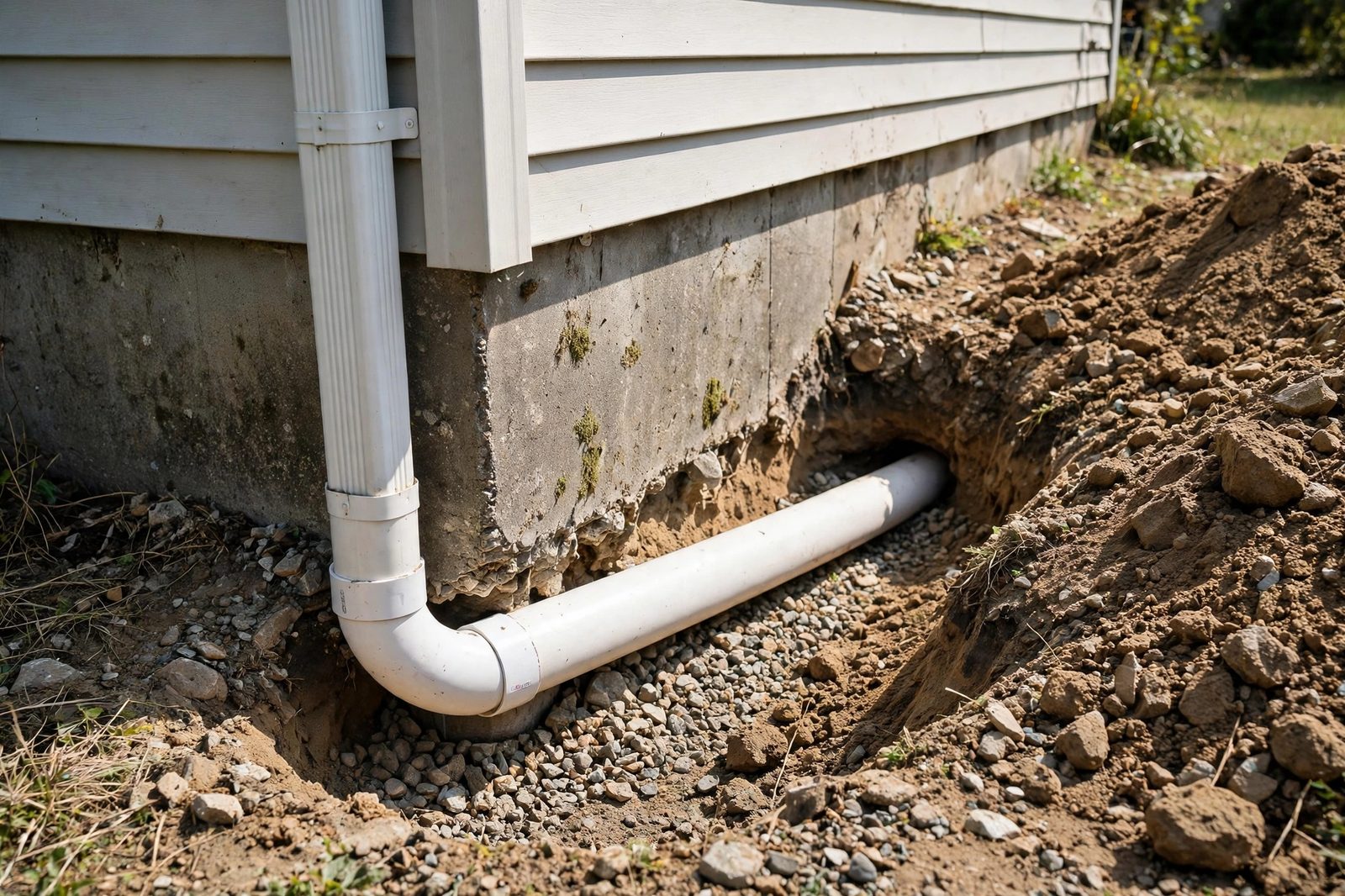
- Re-attach downspout extensionsThe most common autumn failure: extensions come off for leaf clean-up and never go back on, so the downspout empties at the wall all winter (Source: homeowner.ca, fall 2026). Re-attach them and send water at least 3 feet from the foundation — 6 feet is better. Better yet, bury the discharge line underground to daylight.
- Clean gutters and downspoutsClogged gutters overflow at the fascia and dump water right at the foundation. Clear them after the leaves are down.
- Test your sump pumpPour a bucket of water into the pit and confirm the pump activates, pumps strongly, and shuts off. If it is over 10 years old, grinding, or short-cycling, replace it now — see our sump pump cost guide.
- Walk the property after rainLook for pooling water near the foundation and check the soil slopes away from the house — 6–12 inches of drop over the first 10 feet is the target. Pooling at the wall is the #1 sign you need regrading or a French drain.
- Seal foundation cracksMark every crack, clean it out, and fill small ones with hydraulic cement before freeze-up. Big or growing cracks need a professional look.
- Clear window wellsPacked leaves hold moisture against basement windows all winter. Clear them out and check the well drains.
- Disconnect and drain garden hosesAttached hoses freeze and can burst indoor pipes. Shut off exterior hose bibs from inside and drain residual water.
- Check the backwater valveIf you have one on your sewer line, make sure it is accessible and the alarm (if fitted) works. Toronto's combined sewers back up in heavy storms — and the City subsidizes valve installation up to $1,600 per device.
- Book drainage work while the ground is workableRegrading, French drains, exterior waterproofing and downspout burial all need unfrozen ground. Late October into November is the cutoff in most of the GTA.
What Pisces does before winter
Our fall groundwork services for Toronto-area homes:
Drainage walk-through
We walk your property after rain (or simulate it) and show you exactly where water goes — then quote the fix item by item.
Regrading
Reshaping soil around the foundation so water flows away, not toward the house.
French drains
Exterior trench drains with proper fabric, gravel, pipe and slope — see French drain vs sump pump.
Downspout burial
Burying discharge lines underground to carry roof water far from the foundation — no more extensions to trip over.
Sump pit excavation
Digging the pit and trenching discharge lines for new sump systems (pump hookup by a licensed plumber).
Exterior waterproofing prep
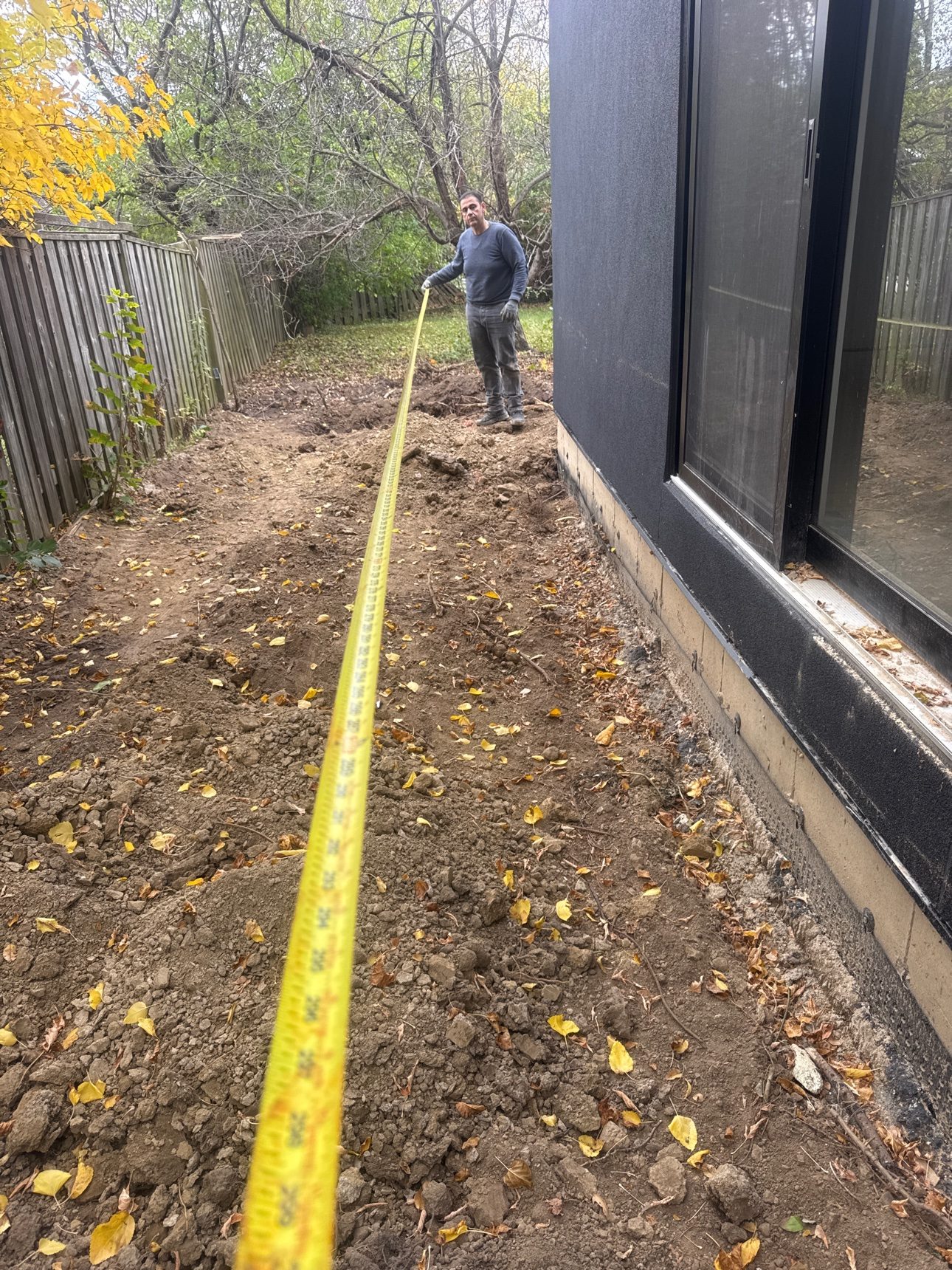
Excavation along the foundation for membrane and weeping-tile work before the freeze.
Common questions
When is it too late for drainage work in the GTA?
Once the ground freezes solid — usually late November into December — excavation and grading become impractical. Aim to have exterior drainage work done by mid-November.
Can I waterproof in winter?
Interior work (interior French drain, sump pump replacement) can be done year-round. Exterior work — grading, exterior drains, downspout burial — needs unfrozen ground.
Does the Toronto subsidy apply to fall work?
The Basement Flooding Protection Subsidy covers eligible work completed on or after November 12, 2025 — including sump pumps (up to $2,250), battery backup ($300) and backwater valves (up to $1,600 each), up to $6,650 per property. Apply on toronto.ca before work starts.
My basement only leaks in spring. Should I still act in fall?
Yes — spring leaks come from snowmelt and saturated ground, and the fixes (grading, drains, downspouts) must be installed while the ground is workable. Fall is the time.
What does a drainage walk-through cost?
Our on-site assessment is free. We look at grading, downspouts, and water paths, then give you an itemized estimate — no obligation.
Get your free on-site assessment.
Tell us where the property is and what you are dealing with. We will visit, look at the grading and drainage, and give you an itemized estimate for the groundwork — plus honest advice on whether you also need a licensed plumber for the pump itself. Workmanship warranty available on request.